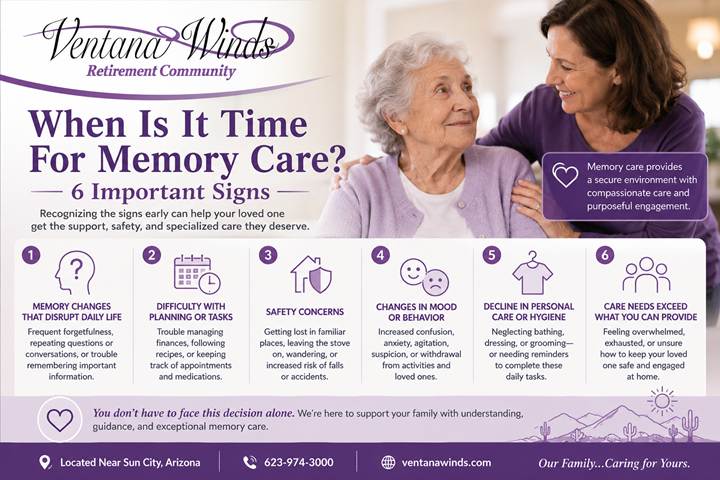

Is Memory Care Always Associated With Alzheimers or Dementia
Written by webtechs

Is Memory Care Always Associated With Alzheimers or Dementia?

When families first hear the term memory care, they often assume it means one thing only: Alzheimer’s disease. That makes sense, because Alzheimer’s is the best known cause of memory loss in older adults and the form of dementia most people have heard of. But memory care is not limited to Alzheimer’s alone. In reality, memory care is designed for people living with Alzheimer’s, dementia, or other serious memory-related conditions that affect daily life, safety, and overall well-being.

In other words, memory care is usually connected to cognitive decline, but it is not always tied to one single diagnosis.

MEMORY CARE IS ABOUT THE LEVEL OF SUPPORT NEEDED

This is where many families get confused. Someone does not move into memory care simply because a doctor has used one particular word. What usually matters more is whether memory problems, confusion, poor judgment, wandering, or changes in behavior have reached a point where living at home or even standard assisted living is no longer enough.

That is an important distinction. Dementia itself is not one disease. It is a broad term used for symptoms that affect memory, reasoning, communication, and everyday functioning. Alzheimer’s is the most common cause, but it is only one part of the larger picture.

ALZHEIMER’S IS COMMON, BUT NOT THE ONLY REASON

A person may need memory care because of Alzheimer’s disease, but they may also need it because of another type of dementia or another condition that creates similar cognitive and behavioral challenges. Some residents have vascular dementia. Others may have Lewy body dementia or another memory disorder that makes daily routines harder and creates safety concerns.

There are also situations where a family knows something is clearly wrong long before they have a perfectly neat diagnosis. A loved one may be increasingly disoriented, forget to eat, wander, become anxious, or struggle with normal tasks. In those cases, the need for memory care may become obvious even while the medical picture is still being sorted out.

WHAT MEMORY CARE REALLY PROVIDES

Memory care is best understood as a specialized setting for people who need more structure, supervision, and support than other senior living arrangements usually provide. These communities are set up to help residents with daily routines, meals, medication support, engagement, safety, and a more predictable environment.

That is why the question is not always, “Does this person have Alzheimer’s?” Sometimes the better question is, “Are memory problems now affecting safety and quality of life enough that specialized care would help?”

That shift in thinking can make the whole topic much easier for families to understand.

WHEN FAMILIES SHOULD LOOK MORE CLOSELY

If a loved one is becoming more confused, more isolated, less safe at home, or more dependent on others for basic daily tasks, it may be time to look at memory care more seriously. The decision is rarely about labels alone. It is usually about what kind of setting will give that person the best chance of stability, dignity, and support.

For many families, that realization brings both sadness and relief. It is a hard step, but it can also be the step that creates more peace for everyone involved.

CALL TO ACTION

If you are trying to understand whether memory care is the right fit for someone you love, Ventana Winds can help you explore the options in a clear and compassionate way. Reach out to learn more about their memory care services, trained team, and supportive environment for seniors living with memory challenges.

REFERENCES

Ventana Winds Home

Ventana Winds What Is Memory Care?

Ventana Winds Memory Care Sun City AZ

Ventana Winds Memory Care Facilities Near Me

Alzheimer’s Association What Is Dementia

Alzheimer’s Association Memory Loss Concerns

National Institute on Aging Alzheimer’s and Dementia

National Institute on Aging What Is Dementia?

National Institute on Aging Memory Problems, Forgetfulness, and Aging

About Ventana Winds

Ventana Winds Retirement Community is a member of SLS Communities and offers Assisted Living and Memory Care services In Youngtown, Arizona.

More Articles About Senior Living

Preperations Before Entering A Memory Care Facility
Written by webtechs

Preperations Before Entering A Memory Care Facility

aking the move into memory care is rarely just a practical decision. For most families, it is emotional, tiring, and full of second guessing, even when they know it is the right time. There is often a mix of relief, worry, sadness, and guilt all happening at once. That is normal. A move like this touches every part of family life.

What helps most is not trying to make the process perfect. It is making it calmer, clearer, and less overwhelming. A little preparation can take some of the fear out of the experience and help your loved one arrive feeling more settled and supported.

GET THE IMPORTANT PAPERWORK TOGETHER EARLY

One of the easiest ways to reduce stress is to gather the key documents before move in day gets close. That usually means medication lists, doctor contact information, insurance details, identification, emergency contacts, and any legal paperwork the community may need, such as healthcare directives or power of attorney documents.

Doing this early matters because the final week before a move can feel surprisingly hectic. Families are often juggling calls, emotions, packing, and scheduling all at the same time. When the paperwork is already handled, it frees up energy for the more personal side of the transition.

BRING THINGS THAT FEEL LIKE HOME

This may be the most important part. A room in memory care should not feel like a blank space someone has simply been placed into. Even a few familiar items can make a real difference. Family photographs, a favorite blanket, a well used chair, a lamp from home, familiar books, or a treasured quilt can help soften the shock of a new environment.

Clothing matters too. Comfortable clothes that are easy to put on and easy to wash are usually the best choice. Labeling personal items may feel like a small thing, but it can save a great deal of confusion later. The goal is comfort, familiarity, and a sense that this new place is not entirely unknown.

PREPARE FOR THE EMOTIONAL WEIGHT OF THE MOVE

Families often spend so much time planning the logistics that they forget how emotional the move can be. Your loved one may feel anxious, confused, resistant, quiet, or unexpectedly calm. Family members may feel as though they are doing something wrong, even when they are acting out of love and necessity.

Try to keep conversations gentle and steady. Reassurance usually helps more than long explanations. What your loved one often needs most is a calm voice, familiar faces, and the feeling that they are safe. That tone can shape the entire move more than any perfectly packed suitcase.

LEARN THE COMMUNITY BEFORE MOVE IN DAY

It helps a great deal when families know what daily life will actually look like. Ask about meals, routines, activities, visiting hours, communication with staff, and how the team helps new residents settle in. The more you understand the rhythm of the community, the easier it is to explain it in a comforting way.

A good memory care community should feel structured, safe, and warm, not cold or confusing. When families know what to expect, they tend to feel more confident, and that confidence often helps the resident too.

GIVE THE ADJUSTMENT TIME

The first few days and weeks may feel uneven. That does not always mean something is wrong. Transitions take time. New surroundings, new faces, and new routines can be tiring at first. Staying in contact with staff and giving the process some breathing room usually helps far more than expecting instant comfort.

CALL TO ACTION

If your family is starting to consider memory care, Ventana Winds offers a supportive environment designed for comfort, safety, and dignity. Reach out to learn more about the community, the care team, and what the move in process looks like for new residents and their families.

REFERENCES

Ventana Winds Home

Ventana Winds Memory Care

Ventana Winds Memory Care Sun City AZ

Alzheimer’s Association Long-Term Care

National Institute on Aging Advance Care Planning

National Institute on Aging Finding Long-Term Care

About Ventana Winds

Ventana Winds Retirement Community is a member of SLS Communities and offers Assisted Living and Memory Care services In Youngtown, Arizona.

More Articles About Senior Living

How Much Is Memory Care Per Month in 2026?
Written by webtechs

How Much Is Memory Care Per Month in 2026?

Families have to make some of the most essential and sensitive decisions around memory care. It is also one of the biggest financial commitments in senior living in 2026. When you know what the true statistics are, you can plan with confidence instead of dread.

In 2026, the average cost of memory care in the US is roughly $8,000 a month. That is the middle spot for the whole country. Families in areas with lesser costs may be able to discover choices that cost between $5,000 and $6,000 a month. Memory care may cost more than $12,000 a month in more expensive places, especially in big cities, depending on the services and accommodations.

Why Memory Care Is More Expensive Than Assisted Living

Memory care is not just assisted living with more staff. These villages are made specifically for those who have Alzheimer’s, dementia, or other cognitive problems. That implies safe spaces, secured entrances and exits, and arrangements that make things less confusing and stressful.

The number of staff members is also larger. People who live there need help all the time, not just during the day. Caregivers learn how to talk to people with dementia, how to redirect their conduct, and how to deal with their behavior, which lets them care for people with patience and respect instead of force.

What the Monthly Cost Includes

Most of the time, the monthly price covers lodging, meals, housekeeping, daily activities, and personal care. It also entails managing medications, keeping an eye on safety, and established routines that help patients feel calm and stable.

The level of care is important. Someone who is just starting to lose their memory might just require mild monitoring, while someone who is farther along could need help getting dressed, washing, and eating. Communities change their prices dependent on how much help they need.

The type of room also impacts the price. Private apartments and enhanced layouts usually cost more per month than shared or regular rooms.

Why Families Say Memory Care Is Worth It

Families are paying for more than simply a place to reside. They are paying for safety, stability, and respect. Memory care cuts down on hospital visits, stops people from wandering, and gives emotional support to both patients and their family. The most essential thing is that it lets individuals who care for your loved ones understand dementia and know how to respond with kindness.

Talk With Ventana Winds About Your Next Step

You don’t have to figure out memory care on your own if you’re thinking about it. Ventana Winds is here to assist you understand your options, go over the prices, and help you pick the best level of care for your family. Call us now to set up a visit or talk to a care expert. You’ll be able to go forward with confidence.

Memory Care At Ventana Winds In Youngtown, Arizona

We invite you and your loved one to come and tour our memory care facility in Youngtown, Arizona and find out why our residents love to live in our compassionate and welcoming community. Take a look at our memory care page to see pictures, find out more about the facility, amenities, what is included in rent, and more. Call us at (623) 624-4406 for more information or to schedule a tour of our facility.

Written by Brian B

Is Memory Care Considered Skilled Nursing?

Is Memory Care Considered Skilled Nursing

Many people may be wondering what the differences are between skilled nursing and memory care. Let’s take a closer look at this senior care level below.

Is Memory Care Regarded As Skilled Nursing?

Yes, memory care is considered skilled nursing and it can also be administered by a personal care provider. The primary goal of skilled nursing services is to rehabilitate a patient’s specific health-related needs. Memory care services are designed to care for patients suffering from Dementia or Alzheimer’s.

Differences Between Memory Care And Skilled Nursing

Memory care communities feature specialized care for people suffering from Dementia or Alzheimer’s. Patients living at these facilities will have structured activities throughout the day to keep them on a routine, which often lessens stress levels. These activities will focus on cognitive stimulation, targeting memory difficulties.

Memory care offers more patient supervision than most other care levels. This is due to the fact that most people with memory-related issues have a tendency to wander. Memory care facilities are safer because doors and/or elevators are usually locked or armed with alarms. Outdoor recreation areas are typically locked and gated to keep all patients safe and accounted for.

What Level Of Care Is Memory Care?

In general, memory care is a higher level of care, but it will depend on the patient’s specific needs. These needs will be based on such things as the stage of Dementia or Alzheimer’s, if applicable. This level of care can be provided in-home or at a memory care community.

How Much Does Memory Care Cost?

The average costs for memory care ranges from $1,595 – $9,715+ a month. Prices shift depending on location, services, and elderly care needs. While many services such as meals, medication handling, and group activities will be included, others will not. I.e., residents could have access to clothe washing services, lunch trips, or beauty amenities, like haircuts or pedicures, but those could cost extra.

Why Choose Memory Care For Your Loved One

Dementia and Alzheimer’s are very familiar types of memory loss circumstances that will be included in memory care. This is a dedicated care that will go through a variety of services that will depend on the seriousness of the symptoms, like 24-hour emergency call service.

Memory care will go further than what is typically offered in assisted living. Housekeeping, the preparation of food, and clothes washing services are generally provided, but the level of needed assistance with daily activities is increased. There also may be times when daily activities are designed specifically for a person that will allow them to reconnect with their interests or old hobbies.

As the communities can recognize the care challenges for elderly people who have dementia or Alzheimer’s, they may just provide memory care or, for continuing care communities may provide a neighborhood strictly for memory care. More often than not, it is these communities that will have fixed design elements that will lower the stress for those who have dementia or Alzheimer’s.

Memory Care Facilities Near Me

Memory Care At Ventana Winds In Youngtown, Arizona

We invite you and your loved one to come and tour our memory care facility in Youngtown, Arizona and find out why our residents love to live in our compassionate and welcoming community. Take a look at our memory care page to see pictures, find out more about the facility, amenities, what is included in rent, and more. Call us at (623) 624-4406 for more information or to schedule a tour of our facility.

Written by Brian B

How Much Is Memory Care Per Month (2024)

Memory Care Cost

The average cost of memory care is $5,655 a month with costs ranging from $1,595 to $9,715 in Arizona.

Memory Care Cost Per Month

The average costs for memory care ranges from $1,595 – $9,715+ a month. Prices shift depending on location, services, and elderly care needs. While many services such as meals, medication handling, and group activities will be included, others will not. I.e., residents could have access to clothe washing services, lunch trips, or beauty amenities, like haircuts or pedicures, but those could cost extra.

Questions To Ask About Memory Care Costs

When you are considering memory care as an option, it’s vital to ask the right questions to fully understand the costs of this type of care.

Here are a few questions to ask about memory care costs:

  • What is the base cost of care and what services/amenities are included?
  • Are there any financial assistance programs available to help cover costs?
  • Are there any additional fees, such as transportation services?
  • How do costs change based on the level of care?
  • Will costs increase over time?
  • Is there a minimum stay requirement, and will there be penalties for early termination?

How To Pay For Memory Care

When a senior is suffering with Alzheimer’s of Huntington’s disease, keeping them safe and well takes precedence that could be mentally and emotionally draining on their loved ones. Concerning demeanors that can be hard to safely control, such as roaming and aggressiveness, begin to emerge. For family care takers, like spouses and adult children, fulfilling their loved one’s complicating — and changing — requirements can be a major struggle.

The following are some ways to pay for memory care:

  • Medicare.
  • Medicaid.
  • Life Insurance.
  • Long-Term Care Insurance.
  • Reverse Mortgages.

Memory Care Facilities Near Me

Why Choose Memory Care For Your Loved One?

Dementia and Alzheimer’s are very familiar types of memory loss circumstances that will be included in memory care. This is a dedicated care that will go through a variety of services that will depend on the seriousness of the symptoms, like 24 hour emergency call service.

Memory care will go further than what is typically offered in assisted living. Housekeeping, the preparation of food, and clothes washing services are generally provided, but the level of needed assistance with daily activities is increased. There also may be times when daily activities are designed specifically for a person that will allow them to reconnect with their interests or old hobbies.

As the communities can recognize the care challenges for elderly people who have dementia or Alzheimer’s, they may just provide memory care or, for continuing care communities may provide a neighborhood strictly for memory care. More often than not, it is these communities that will have fixed design elements that will lower the stress for those who have dementia or Alzheimer’s.

These elements will usually include a circular neighborhood design that permits the resident for safer wandering, memory boxes outside of their apartments, with natural lighting. About 6 out of 10 elderly people with Alzheimer’s will begin to wander around the community and it is specifically designed to lower the chances of being harmed by wandering, and that may done simply adding security alarms or doing welfare and safety checks.

Memory Care At Ventana Winds In Youngtown, Arizona

We invite you and your loved one to come and tour our memory care facility in Youngtown, Arizona and find out why our residents love to live in our compassionate and welcoming community. Take a look at our memory care page to see pictures, find out more about the facility, amenities, what is included in rent, and more. Call us at (623) 624-4406 for more information or to schedule a tour of our facility.

Preperations Before Entering A Memory Care Facility
Written by Brian B

Does Medicare Pay For Memory Care?

Medicare is a federally funded health insurance plan for citizens and legal residents of the U.S. who are at least 65 years of age or older. Medicare can also be utilized by individuals who have a qualifying illness or disability. Let’s take a look at when Medicare will pay for memory care costs.

The four main parts of Medicare include Medicare Part A, B, C, and D.

  • Medicare, Part A: This plan covers inpatient hospital care, nursing home care, skilled nursing facility care, and home health care.
  • Medicare, Part B: This plan covers medical necessities like equipment, testing, occupational therapy, and outpatient care. Physical exams and cancer screenings will also be covered.
  • Medicare, Part C: Helps pay for vision insurance, dental insurance, mental health services, and prescription medications.
  • Medicare, Part D: Will provide access to an outside insurance company’s network of pharmacies for a monthly premium.

What Is Memory Care?

Dementia and Alzheimer’s are very familiar types of memory loss circumstances that will be included in memory care. This is a dedicated care that will go through a variety of services that will depend on the seriousness of the symptoms, like 24-hour emergency call service.

Memory care will go further than what is typically offered in assisted living. Housekeeping, the preparation of food, and clothes washing services are generally provided, but the level of needed assistance with daily activities is increased. There also may be times when daily activities are designed specifically for a person that will allow them to reconnect with their interests or old hobbies.

As the communities can recognize the care challenges for elderly people who have dementia or Alzheimer’s, they may just provide memory care or, for continuing care communities may provide a neighborhood strictly for memory care. More often than not, it is these communities that will have fixed design elements that will lower the stress for those who have dementia or Alzheimer’s.

These elements will usually include a circular neighborhood design that permits the resident for safer wandering, memory boxes outside of their apartments, with natural lighting. About 6 out of 10 elderly people with Alzheimer’s will begin to wander around the community and it is specifically designed to lower the chances of being harmed by wandering, and that may done simply adding security alarms or doing welfare and safety checks.

How Much Does Memory Care Cost?

The average cost of memory care is $5,655 a month with costs ranging from $1,595 to $9,715 in Arizona.

The average costs for memory care ranges from $1,595 – $9,715+ a month. Prices shift dependent on location, services, and elderly care needs. While many services such as meals, medication handling, and group activities will be included, others will not. I.e., residents could have access to clothe washing services, lunch trips, or beauty amenities, like haircuts or pedicures, but those could cost extra.

Memory Care Cost

When Medicare Will Or Will Not Cover Memory Care Costs

The majority of qualified individuals will be automatically enrolled in Medicare, Part A and B, but there are some cases where you must enroll manually through the Social Security Administration. Those who have paid enough in Social Security and payroll tax may not be forced to pay the premium for Medicare, Part A. Medicare, Part B, C, and D will require premiums which depend on the coverage level selected.

Medicare will cover some, but not all, costs related to a memory care facility. Medicare will typically cover the following:

  • Meals.
  • Inpatient hospital care.
  • Semi-private rooms.
  • Medications.
  • Hospital supplies.
  • General nursing care.
  • Diagnostic testing.
  • Skilled nursing care (100 days).
  • Hospice care.

Alternative Financing Options For Memory Care Costs

There are a few other resources for individuals to use in order to pay for memory care. Some residents may already have an insurance plan that covers Alzheimer’s disease care and other impairments. Individual retirement benefits could also provide a source of payment for a variety of medical needs.

Personal savings/assets can be used to help pay for memory care. There are also a variety of private organizations like a local Alzheimer’s association that offer programs to assist qualified individuals in paying for care services.

About Ventana Winds

Ventana Winds Retirement Community is a member of SLS Communities and offers Assisted Living and Memory Care services In Youngtown, Arizona.

More Articles About Senior Living

Written by Brian B

What Is The Average Monthly Cost For Memory Care?

Memory Care Cost

The average cost of memory care is $5,655 a month with costs ranging from $1,595 to $9,715 in Arizona.

How Much Does Memory Care Cost Per Month?

The average costs for memory care ranges from $1,595 – $9,715+ a month. Prices shift depending on location, services, and elderly care needs. While many services such as meals, medication handling, and group activities will be included, others will not. I.e., residents could have access to clothe washing services, lunch trips, or beauty amenities, like haircuts or pedicures, but those could cost extra.

Questions To Ask About Memory Care Costs

When you are considering memory care as an option, it’s vital to ask the right questions to fully understand the costs of this type of care.

Here are a few questions to ask about memory care costs:

  • What is the base cost of care and what services/amenities are included?
  • Are there any financial assistance programs available to help cover costs?
  • Are there any additional fees, such as transportation services?
  • How do costs change based on the level of care?
  • Will costs increase over time?
  • Is there a minimum stay requirement, and will there be penalties for early termination?

How To Pay For Memory Care

When a senior is suffering with Alzheimer’s of Huntington’s disease, keeping them safe and well takes precedence that could be mentally and emotionally draining on their loved ones. Concerning demeanors that can be hard to safely control, such as roaming and aggressiveness, begin to emerge. For family care takers, like spouses and adult children, fulfilling their loved one’s complicating — and changing — requirements can be a major struggle.

The following are some ways to pay for memory care:

  • Medicare.
  • Medicaid.
  • Life Insurance.
  • Long-Term Care Insurance.
  • Reverse Mortgages.

Memory Care Facilities Near Me

Why Choose Memory Care For Your Loved One?

Dementia and Alzheimer’s are very familiar types of memory loss circumstances that will be included in memory care. This is a dedicated care that will go through a variety of services that will depend on the seriousness of the symptoms, like 24 hour emergency call service.

Memory care will go further than what is typically offered in assisted living. Housekeeping, the preparation of food, and clothes washing services are generally provided, but the level of needed assistance with daily activities is increased. There also may be times when daily activities are designed specifically for a person that will allow them to reconnect with their interests or old hobbies.

As the communities can recognize the care challenges for elderly people who have dementia or Alzheimer’s, they may just provide memory care or, for continuing care communities may provide a neighborhood strictly for memory care. More often than not, it is these communities that will have fixed design elements that will lower the stress for those who have dementia or Alzheimer’s.

These elements will usually include a circular neighborhood design that permits the resident for safer wandering, memory boxes outside of their apartments, with natural lighting. About 6 out of 10 elderly people with Alzheimer’s will begin to wander around the community and it is specifically designed to lower the chances of being harmed by wandering, and that may done simply adding security alarms or doing welfare and safety checks.

Memory Care Vs Assisted Living

Undertaking a life change can be scary and stressful—possibly a little fun too. For example, if you’re moving into an assisted living community, you might miss your home but are looking forward to forging new roads and friendships and simply making life easier. However, what if you’ve started to notice that your memory is not like what it used to be? You may have heard about “memory care” and might be wondering if it would be appropriate under your circumstances and if you can get it in an assisted living facility. Here are some explanations on what assisted living and memory care are.

An assisted living facility is one in which its residents largely lead their lives independently. They do get a little assistance for needs that differ from person to person, possibly with mobility, meal planning, transportation, hygiene or medication. You might be ready for assisted living if it is becoming hard or dangerous for you to go up and down the stairs at home or if driving is starting to get risky.

Assisted living can be in a residential-type neighborhood or large building. Some facilities allow pets and can also consist of laundry as part of the rent or for an extra fee. Learn more about assisted living and take a look at our assisted living checklist.

Memory Care At Ventana Winds In Youngtown, Arizona

We invite you and your loved one to come and tour our memory care facility in Youngtown, Arizona and find out why our residents love to live in our compassionate and welcoming community. Take a look at our memory care page to see pictures, find out more about the facility, amenities, what is included in rent, and more. Call us at (623) 624-4406 for more information or to schedule a tour of our facility.


Written by Brian B

Memory Care Facility Costs

Memory Care Cost

The average cost of a memory care facility is $5,655 a month with costs ranging from $1,595 to $9,715 in Youngtown, Arizona.

Average Memory Care Costs

The average costs for memory care ranges from $1,595 – $9,715+ a month. Prices shift dependent on location, services, and elderly care needs. While many services such as meals, medication handling, and group activities will be included, others will not. I.e., residents could have access to clothe washing services, lunch trips, or beauty amenities, like hair-cuts or pedicures, but those could cost extra.

When a senior is suffering with Alzheimer’s of Huntington’s disease, keeping them safe and well takes precedence that could be mentally and emotionally draining on their loved ones. Concerning demeanors that can be hard to safely control, such as roaming and aggressiveness, begin to emerge. For family care takers, like spouses and adult children, fulfilling their loved one’s complicating — and changing — requirements can be a major struggle.

The following are some ways to pay for memory care:

  • Medicare
  • Medicaid
  • Life Insurance
  • Long-Term Care Insurance
  • Reverse Mortgages

What Is Memory Care?

Dementia and Alzheimer’s are very familiar types of memory loss circumstances that will be included in memory care. This is a dedicated care that will go through a variety of services that will depend on the seriousness of the symptoms, like 24 hour emergency call service.

Memory care will go further than what is typically offered in assisted living. Housekeeping, the preparation of food, and clothes washing services are generally provided, but the level of needed assistance with daily activities is increased. There also may be times when daily activities are designed specifically for a person that will allow them to reconnect with their interests or old hobbies.

As the communities can recognize the care challenges for elderly people who have dementia or Alzheimer’s, they may just provide memory care or, for continuing care communities may provide a neighborhood strictly for memory care. More often than not, it is these communities that will have fixed design elements that will lower the stress for those who have dementia or Alzheimer’s.

These elements will usually include a circular neighborhood design that permits the resident for safer wandering, memory boxes outside of their apartments, with natural lighting. About 6 out of 10 elderly people with Alzheimer’s will begin to wander around the community and it is specifically designed to lower the chances of being harmed by wandering, and that may done simply adding security alarms or doing welfare and safety checks.

Community Life

When it comes down to memory care, the amenities are not as captivating like living in an assisted living or independent living community, like having large indoor swimming pools or beauty salons and barber shops. Studies have shown that some who have dementia or Alzheimer’s can get disoriented and stressed more easily; it’s these communities that are meant to provide a more relaxed setting.

Typically communities will have secured courtyards that will let their residents walk in the patio or garden without risk of wandering off. There are also meeting areas like libraries and cozy lounges that are not uncommon. To make the environment more intimate for its residents, a memory care community will be designed with neighborhood like settings that are equipped with apartments that are situated near common areas. Most hallways will be brilliantly colored that will help residents find their way around.

There are also apartments that are available in private and companion options. If you choose, there are 1 bedroom apartments available. These apartment types do not have kitchenettes because all comforts are kept at a minimum to keep stress levels down. To help a resident to find their way, some communities have memory boxes that are filled with little keepsakes from their life.

The dining area will be set up in a family way, so the residents can gather together for meals. Some dining rooms will have tropical fish tanks, which will help increase appetites based on research. Attention is made to create a contrast between the color of the food and the plate to help the residents see the food much clearer.

There will even be activities that are made around the interests of the residents so they are able to reconnect with their memories. They also have music, art classes and games as well as exercise classes. Some communities will even have escorted outings.

Offered Services

Memory care communities are equipped with staff that is able to handle life responsibilities like as laundry service, meal preparation, housekeeping and even transportation services. There is even assistance with daily activities as part of their regular services.

Selecting A Memory Care Facility

Due to the higher costs that come with memory care, you could go the less expensive route and go with assisted living for your loved one. The truth is that most assisted living communities will only have light memory care. This is for those who are not prone to wandering off or for those who need a more enhanced environment. For those who need constant attention or those who happen to wander off a lot, memory care communities will be the best bet.

It may be difficult to find a community within a rural area that offers memory care. Out of senior living communities that have memory care services only around 27% of those will have residents that have dementia or Alzheimer’s. There are some communities that are out there that will only provide memory care while other communities will also provide assisted living.

Larger communities will often be the only ones that offer memory care, and you could be cautious about signing your loved one up as they may not get the hands on care they need. Typically memory care communities have been designed with a neighborhood type styling and will have common areas that are duplicated. This helps to give residents a homey atmosphere in a larger setting.

Once you have selected the community that your loved one likes, you will then begin the assessment process to see if they will fit into the community. At this time you can see if the community will be able to provide the care that is needed for them. Depending on their assessment policy, there also may be a nurse that comes to your home to assess your loved one. It is very important that you be truthful about how they act, and if they have any issues with wandering off or trouble with walking, this is done so that the nurse can create a customized care plan for their needs.

Assisted Living vs Memory Care

Undertaking a life change can be scary and stressful—possibly a little fun too. For example, if you’re moving into an assisted living community, you might miss your home but are looking forward to forging new roads and friendships and simply making life easier. However, what if you’ve started to notice that your memory is not like what it used to be?

You may have heard about “memory care” and might be wondering if it would be appropriate under your circumstances and if you can get it in an assisted living facility. Here are some explanations on what assisted living and memory care are.

Memory Care Facilities Near Me

Memory Care In Youngtown, Arizona

There isn’t a more appropriately named setting for this lively community than Youngtown! Monthly rent at Ventana Winds includes three well balanced meals plus snacks, 24-hour staff, and a daily tidying of your apartment. The offerings don’t end there! Personal laundry is done weekly, transportation is provided for appointments or shopping, a 24/7 emergency call system is in place, as well as a full slate of exciting activities. Check out all of Ventana Winds’ offerings today!

Memory Care Package:

  • Three meals per day plus snacks
  • 24-hour care
  • Diverse program of activities
  • Transportation to appointments
  • Bathing and oral care
  • Dressing and grooming
  • Daily tidying of your apartment
  • Laundry service
  • Weekly deep cleaning of your apartment
  • All utilities, including cable TV
Written by Brian B

Cost Of Memory Care Facilities Near Me

Memory Care Cost

The average cost of memory care is $5,655 a month with costs ranging from $1,595 to $9,715 in Youngtown, Arizona in 2022.

The average costs for memory care ranges from $1,595 – $9,715+ a month. Prices shift dependent on location, services, and elderly care needs. While many services such as meals, medication handling, and group activities will be included, others will not. I.e., residents could have access to clothe washing services, lunch trips, or beauty amenities, like hair-cuts or pedicures, but those could cost extra.

When a senior is suffering with Alzheimer’s of Huntington’s disease, keeping them safe and well takes precedence that could be mentally and emotionally draining on their loved ones. Concerning demeanors that can be hard to safely control, such as roaming and aggressiveness, begin to emerge. For family care takers, like spouses and adult children, fulfilling their loved one’s complicating — and changing — requirements can be a major struggle.

The following are some ways to pay for memory care:

  • Medicare
  • Medicaid
  • Life Insurance
  • Long-Term Care Insurance
  • Reverse Mortgages

Memory Care At Ventana Winds In Youngtown, Arizona

We invite you and your loved one to come and tour our memory care facility in Youngtown, Arizona and find out why our residents love to live in our compassionate and welcoming community. Take a look at our memory care page to see pictures, find out more about the facility, amenities, what is included in rent, and more. Call us at (623) 624-4406 for more information or to schedule a tour of our facility.

Average Length Of Stay In Memory Care Unit
Written by webtechs

Average Length Of Stay In Memory Care Unit

An average length of stay in memory care or assisted living is 2-3 years, according to SeniorLivingServices. Several different factors can change the amount of time an individual spends in these environments, though. Let’s take a look at some of those factors.

Average Length Of Memory Care Stays

An exact timeline for a memory care stay can be difficult to provide. While certain residents may stay in memory care for years, others may only stay in unit for weeks or months. Of course, the same can be true for residents in assisted living care, but 2-3 years remains the average length of stay. The typical length of stay could drop drastically if a resident has received at-home care prior to moving into memory care.

Factors Impacting Length Of Stay

A resident’s length of stay will depend on the following factors:

  • Availability.
  • Family Support.
  • Health.
  • Impairment Type.

When To Move To Memory Care

Here are a few indications to watch out for when considering moving a loved one to memory care:

Physical Health Declines

Physical health changes are generally clear indicators of dementia or Alzheimer’s. Keep an eye out for a change in the individual’s figure. At this point, they may become thin and frail. Physical changes can occur drastically if the individual is forgetful about taking medications.

Constant Confusion

Dementia will cause constant confusion within the elderly. Some individuals may even get lost or confused in familiar locations.

Behavior Changes

Behavior changes are typically the most obvious signs of dementia. Changes in motor skills and behavior need to be closely monitored. Those suffering from dementia can become anxious, confused and agitated quite easily.

About Ventana Winds

Ventana Winds Retirement Community is a member of SLS Communities and offers Assisted Living and Memory Care services In Youngtown, Arizona.

More Articles About Senior Living

1 2